Cloud Server vs Web Server in 2026
This guide examines the architectural differences, performance characteristics, security implications, cost structures, and strategic considerations that define cloud servers versus web servers in 2026.
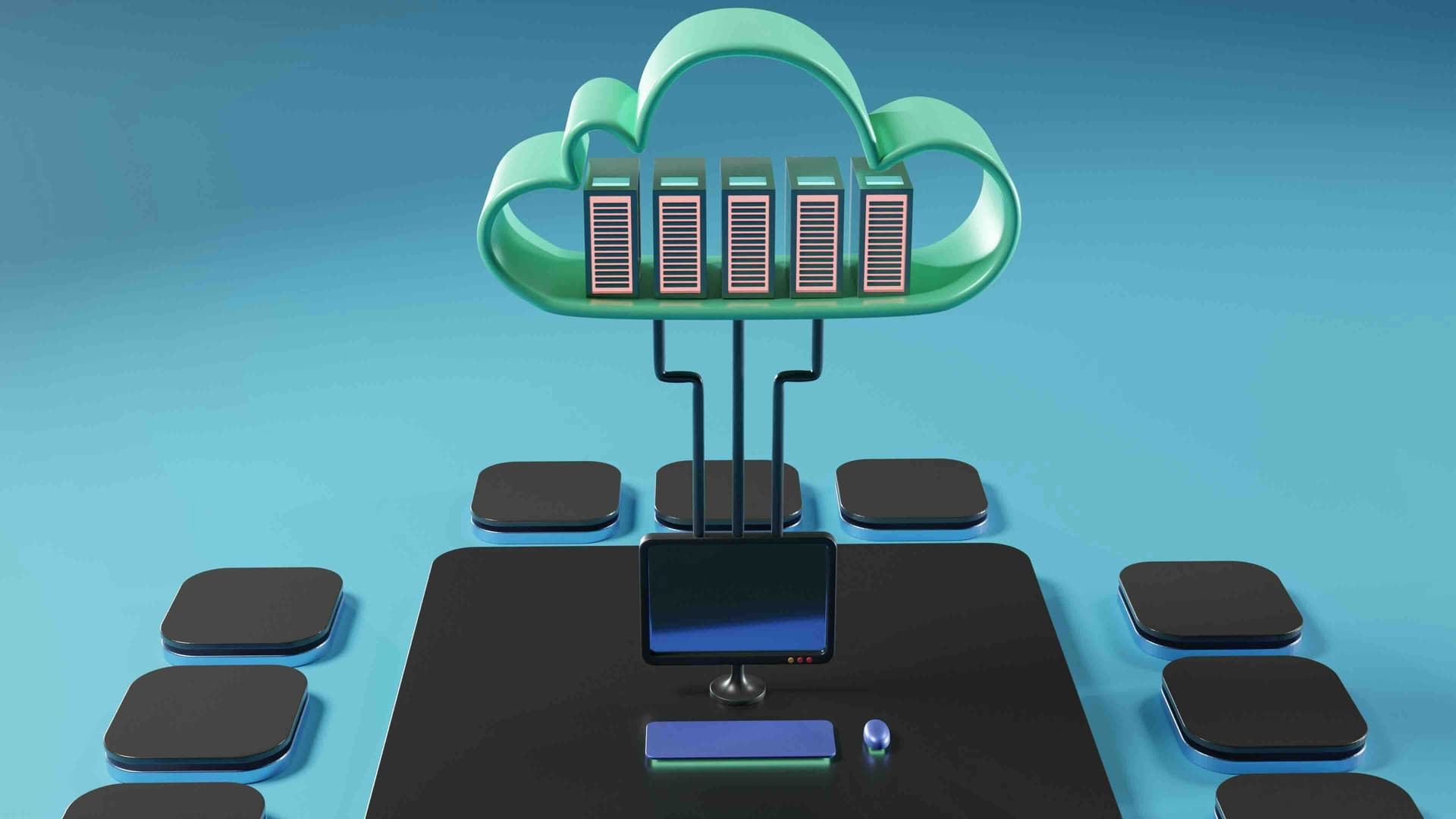
The digital infrastructure landscape has fundamentally transformed in 2026, forcing organizations to make critical decisions about their hosting architecture. Cloud hosting distributes data across multiple servers for enhanced efficiency and adaptability, while traditional web hosting relies on a single physical server running multiple sites.
This comprehensive guide examines the architectural differences, performance characteristics, security implications, cost structures, and strategic considerations that define cloud servers versus web servers in 2026.
Understanding Web Servers: Traditional Infrastructure Fundamentals
Web servers are physical servers that store website files and data, with limited storage space dependent on physical hardware capabilities. When a user accesses your website, their browser communicates with this singular server to retrieve and display the necessary files, images, and content.
Traditional web hosting operates on several distinct models:
Shared Hosting: Multiple websites coexist on a single physical server, sharing computational resources including CPU, memory, and bandwidth. Shared hosting represents the least expensive hosting type because resources are divided among multiple websites, though this results in reduced performance and security compared to cloud hosting. This model proves cost-effective for personal blogs, portfolio sites, and small businesses with predictable, limited traffic.
VPS (Virtual Private Server) Hosting: VPS hosting stores websites on a single physical machine but provides a dedicated virtual server portion, offering enhanced control over resources such as web server software and operating system. This configuration delivers improved performance and security over shared hosting while maintaining affordability.
Dedicated Server Hosting: Organizations receive exclusive access to an entire physical server, gaining complete control over hardware and software configurations. This model eliminates resource competition from other websites but requires significant technical expertise for optimization and security management.
Performance Characteristics and Limitations
Traditional web servers face inherent constraints that increasingly challenge modern business requirements. Web hosting cannot easily scale, often requiring full plan upgrades when websites expand quickly, and shared hosting may become slower when other websites consume excessive resources.
When sudden resource demands arise (such as during traffic surges) traditional hosting tied to a single server may cause websites to slow down or crash. This single-point dependency creates vulnerability that can devastate businesses during critical moments like product launches, promotional campaigns, or viral content distribution.
Performance bottlenecks manifest in several ways:
- Resource Ceiling: Physical hardware limitations establish absolute capacity boundaries
- Traffic Handling: Unexpected visitor spikes can overwhelm server capacity
- Latency Issues: Geographic distance between server and users increases load times
- Maintenance Downtime: Hardware upgrades or repairs require service interruptions
Security Vulnerabilities in Traditional Web Hosting
In shared hosting environments, data breach risks increase due to multiple users sharing the same server, and insecure practices from one user could expose the entire server to potential threats. This "noisy neighbor" problem creates security exposure beyond individual control.
Standard web server vulnerabilities include SQL Injection, Command Injection, DoS attacks, and Cross-Site Scripting. The most common application security threats according to OWASP Top 10 include broken access control, cryptographic failures, and injection attacks.
Traditional web servers face additional security challenges:
- Cross-Site Contamination: Vulnerabilities in neighboring websites can compromise your site
- Single Point of Failure: Server compromise affects all hosted content
- Limited Isolation: Insufficient separation between hosted applications
- Manual Security Updates: Administrators must actively monitor and apply patches
Cloud Servers: Virtualized Infrastructure for the Modern Enterprise
Revolutionary Architecture and Distributed Computing
Cloud hosting operates through virtual machines accessing multiple different servers, rather than connecting to one physical unit, adding security, reliability, and control over website and content management. This distributed approach fundamentally redefines availability, performance, and resilience.
Cloud hosting shares the load across multiple units worldwide, improving performance, efficiency, and maximizing bandwidth. When one server experiences issues or high demand, the system automatically redistributes workloads across the network, maintaining service continuity.
Cloud servers are virtual servers running in cloud computing environments, delivering processing power, storage, and memory via the internet without requiring heavy upfront hardware investments. This virtualization enables unprecedented flexibility in resource allocation and deployment.
Scalability: The Defining Advantage of Cloud Infrastructure
Cloud scalability enables infrastructure to scale instantly to match the pace of innovation, customer expectations, and unpredictable market shifts. This capability transforms how organizations approach growth, seasonal demands, and unexpected opportunities.
Horizontal Scaling (Scale-Out): Horizontal scalability involves adding more instances of the same resource to a cloud environment, such as additional servers, and is often used to handle large-scale web traffic or data processing needs. This approach distributes workload across multiple machines, enhancing both capacity and fault tolerance.
Vertical Scaling (Scale-Up): Vertical scalability adds more resources to an existing instance, such as CPU, RAM, or storage to an existing server, optimizing existing resources to save costs and reduce waste. Organizations can enhance individual server power without architectural changes.
Hybrid Scaling: Hybrid scalability combines both horizontal and vertical scalability, providing a flexible and scalable cloud environment that allows adding more instances or resources while optimizing existing resources for maximum efficiency.
Scalability in cloud computing allows businesses to adapt to changing demands without significant capital investment, using cloud resources that scale up or down dynamically rather than purchasing physical servers that might sit idle.
Real-World Scalability Applications
E-commerce platforms experience massive traffic increases during events like Black Friday or holiday sales, and scalable infrastructure ensures platforms handle the load without slowing down or crashing. Tax preparation firms and businesses with cyclical demands benefit from scalable infrastructure that handles peak periods and scales back during off-peak times to save costs.
Streaming services like Netflix, YouTube, and Hulu rely on elastic cloud infrastructures to manage fluctuating viewer demands, ensuring uninterrupted streaming experiences by dynamically adjusting server capacities. Telemedicine platforms benefit significantly from elasticity, particularly during pandemics or flu seasons, scaling to accommodate surges in patient interactions without overprovisioning resources during off-peak periods.
Advanced Security Architecture in Cloud Environments
Cloud providers implement multi-layered security frameworks that surpass traditional hosting capabilities. Cloud providers invest significantly in reliable security solutions, offering high-level security to all clients and maintaining updated systems with the newest security frameworks through regular restoration and updates.
Cloud security advantages include:
- Distributed Defense: Security measures span multiple geographic locations
- Automatic Failover: System failures trigger instant resource redistribution
- Redundant Backups: Cloud servers provide network stability and automatic daily backups, enabling businesses to bounce back instantly from power outages or data loss
- Isolation Technology: Advanced virtualization separates tenant environments
- Continuous Monitoring: Real-time threat detection across the infrastructure network
Server security hardening in 2026 must contend with targeted ransomware, supply-chain compromises, sophisticated firmware attacks, and automated exploitation of misconfigurations. Cloud providers address these threats through enterprise-grade security operations centers, automated patch management, and advanced threat intelligence.
Performance Comparison: Speed, Reliability, and User Experience
Load Times and Response Rates
Cloud hosting allows websites to pull extra resources from other servers when experiencing high traffic, accessing them without interrupting website performance. This dynamic resource allocation ensures consistent load times regardless of traffic fluctuations.
Traditional web hosting faces performance degradation under load. When one website experiences unexpected traffic in shared hosting, it can consume most server resources, causing other sites to slow down due to resource lack. This resource contention creates unpredictable user experiences and potential revenue loss.
Cloud infrastructure delivers superior performance metrics:
- Global Content Delivery: Distributed servers reduce latency for international users
- Caching Optimization: Multi-tier caching strategies accelerate content delivery
- Load Balancing: Intelligent traffic distribution prevents server overload
- Edge Computing: Processing occurs closer to end-users for faster response
Uptime and Availability Standards
Top cloud servers ensure 99.9% or higher uptime guarantees with high availability configurations. Cloud hosting offers greater uptime because it can switch to another server if one is underperforming, creating resilience impossible with single-server architectures.
Traditional web servers face downtime risks:
- Hardware failures require manual intervention and repair
- Maintenance windows necessitate scheduled outages
- Single-server dependency creates catastrophic failure scenarios
- Geographic disasters can eliminate entire data centers
Cloud hosting mitigates these risks through geographic redundancy, automated failover mechanisms, and distributed architecture that maintains service continuity despite localized failures.
Cost Analysis: Total Ownership and Financial Implications
Traditional Web Hosting Cost Structure
Web hosting provides cheaper entry points and works well for small sites or blogs with predictable traffic, though costs increase as sites grow and require VPS or dedicated server upgrades. This pricing model appears attractive initially but can become prohibitively expensive as requirements expand.
Traditional hosting costs include:
- Fixed Monthly Fees: Consistent charges regardless of actual usage
- Capacity Overprovisioning: Paying for unused resources to handle potential peaks
- Upgrade Costs: Significant expenses when migrating to larger plans
- Technical Management: In-house expertise or outsourced administration
- Hardware Depreciation: Physical server replacement cycles
- Emergency Response: Unplanned costs for incident resolution
Cloud Server Cost Optimization
AWS offers pay-as-you-go pricing where you only pay for individual services you need, for as long as you use them, without requiring long-term contracts or complex licensing. Cloud hosting's pay-as-you-go model makes it cost-efficient long term despite potentially higher upfront costs.
Pay-as-you-go on-demand pricing allows per-second payment for compute, storage, and other resources, ensuring you only pay for what you use without upfront commitments. This granular billing eliminates waste from overprovisioned resources.
Cloud cost advantages include:
- Usage-Based Billing: Charges align with actual consumption
- Automatic Scaling: Resources expand and contract with demand
- No Hardware Investment: Eliminate capital expenditure for physical infrastructure
- Maintenance Inclusion: Providers handle updates, patches, and security
- Reserved Instance Discounts: Reserved instances offer up to 72% savings by committing to specific instance types for one or three years
- Committed Use Discounts: Google Cloud committed use discounts provide up to 57% off by committing to specific resource amounts for one or three years
Hidden Cost Considerations
Common hidden cloud costs include data transfer fees, backup storage charges, premium support tiers, and monitoring services that can inflate monthly bills if not carefully budgeted. Organizations must understand comprehensive pricing structures:
- Egress Fees: Data transfer out of cloud environments
- API Request Charges: High-volume applications generate usage costs
- Snapshot Storage: Long-term backups accumulate expenses
- Premium Features: Advanced monitoring, logging, and analytics tools
- Bandwidth Overages: Traffic exceeding included allowances
Strategic Decision Framework: Choosing the Right Infrastructure
Assessment Criteria for Infrastructure Selection
Organizations should evaluate hosting decisions based on comprehensive business requirements:
Traffic Patterns and Predictability:
- Consistent, predictable traffic favors traditional hosting economics
- Fluctuating, seasonal, or viral traffic necessitates cloud elasticity
- Growth trajectory determines scalability requirements
Performance Requirements:
- Cloud scalability provides convenient, agile, and fast ways to handle traffic increases by scaling up or down with a few clicks on a dashboard
- Geographic user distribution benefits from cloud's global infrastructure
- Real-time applications demand low-latency cloud architectures
Security and Compliance Needs:
- Regulated industries require advanced security controls
- Data sovereignty mandates may limit cloud provider options
- Compliance certifications vary between hosting models
Technical Expertise:
- Traditional servers demand internal system administration skills
- Managed cloud services reduce technical burden
- DevOps capabilities enable cloud optimization
Budget and Financial Structure:
- Capital expenditure versus operational expenditure preferences
- Cash flow considerations favor cloud's pay-as-you-go model
- Long-term cost projections must account for growth
Ideal Use Cases for Traditional Web Hosting
Traditional web servers remain appropriate for specific scenarios:
- Small Business Websites: Limited traffic with predictable patterns
- Personal Blogs and Portfolios: Low resource requirements
- Static Content Sites: Minimal dynamic processing needs
- Budget-Conscious Projects: Initial cost sensitivity
- Simple Applications: Straightforward deployment without complexity
Optimal Cloud Server Applications
Cloud servers help projects including hosting websites and applications, development and testing environments, big data processing, disaster recovery, and AI/ML workloads.
Cloud infrastructure excels for:
- SaaS Applications: Multi-tenant architectures requiring isolation
- E-commerce Platforms: Variable traffic and transaction processing
- Mobile Application Backends: API-driven services at scale
- Media Streaming: Content delivery with global reach
- Data Analytics: Computational power for large-scale processing
- IoT Infrastructure: Device connectivity and data ingestion
- Development Environments: Rapid provisioning and disposal
Migration Strategies and Implementation Best Practices
Phased Cloud Migration Approach
Organizations transitioning from traditional hosting to cloud infrastructure should adopt systematic migration strategies:
Assessment Phase:
- Inventory all applications, dependencies, and data stores
- Identify cloud compatibility and modification requirements
- Establish performance baselines for comparison
- Define success metrics and acceptance criteria
Planning Phase:
- Select appropriate cloud services and architecture patterns
- Design security, networking, and identity management frameworks
- Develop comprehensive migration runbooks
- Establish rollback procedures and contingency plans
Execution Phase:
- Begin with non-critical applications for learning
- Implement automated deployment pipelines
- Conduct thorough testing in cloud environments
- Perform gradual traffic cutover with monitoring
Optimization Phase:
- Right-size resources based on actual usage
- Implement cost management and governance policies
- Enable auto-scaling and load balancing
- Establish continuous improvement processes
Hybrid and Multi-Cloud Strategies
Hybrid and multi-cloud strategies allow organizations to extend capacity across providers and data centers as needed without overhauling systems. This approach provides:
- Vendor Flexibility: Avoid lock-in with single providers
- Workload Optimization: Match applications to optimal environments
- Risk Mitigation: Geographic and provider diversification
- Compliance Accommodation: Data residency requirement satisfaction
- Cost Optimization: Leverage competitive pricing across platforms
Future-Proofing Infrastructure: 2026 and Beyond
Emerging Technologies Shaping Cloud Evolution
The infrastructure landscape continues advancing with several transformative technologies:
Edge Computing Integration: Processing moves closer to data sources, reducing latency for IoT, autonomous vehicles, and real-time applications. Cloud providers extend services to edge locations, creating distributed computing fabrics.
Serverless Architectures: Function-as-a-Service models eliminate server management entirely, allowing developers to focus on code while providers handle infrastructure scaling, security, and operations.
Kubernetes and Container Orchestration: Managed scaling tools like AWS Auto Scaling Groups with target tracking policies and Google Instance Groups with autoscaling based on custom metrics enable programmatic infrastructure management. Containerization standardizes application deployment across environments.
AI-Driven Operations: Machine learning optimizes resource allocation, predicts capacity requirements, and automates incident response. AIOps platforms analyze telemetry data to prevent issues before impacting users.
Quantum Computing Services: Cloud providers begin offering quantum computing resources, enabling organizations to experiment with quantum algorithms without investing in quantum hardware.
Sustainability and Environmental Considerations
Cloud infrastructure offers significant environmental advantages over traditional data centers:
- Energy Efficiency: Hyperscale data centers operate at superior power usage effectiveness
- Resource Utilization: Multi-tenancy maximizes hardware utilization
- Renewable Energy: Major providers commit to carbon-neutral operations
- Cooling Optimization: Advanced thermal management reduces energy consumption
- Hardware Recycling: Responsible end-of-life equipment management
Organizations increasingly factor environmental impact into infrastructure decisions, with cloud's efficiency enabling sustainability goals.
Strategic Infrastructure Decisions for Business Success
The choice between cloud servers and traditional web servers transcends technical specifications. It fundamentally determines organizational agility, scalability, and competitive positioning in 2026's digital economy.
The decision between web hosting and cloud hosting depends on specific requirements, with evaluation of traffic, budget, and growth expectations to choose the solution that best aligns with goals.
Traditional web hosting maintains relevance for small-scale, predictable workloads where simplicity and initial cost matter most. However, cloud servers provide virtual space and interconnected servers, offering scalability, performance, security, and reliability advantages that web servers lack due to physical limitations.
Modern enterprises increasingly require the flexibility, resilience, and global reach that only cloud infrastructure delivers. Cloud scalability allows companies to adjust resources according to needs to boost organizational efficiency and productivity, with flexibility that enhances productivity and drives digital transformation.
The infrastructure landscape will continue evolving, but the fundamental advantages of distributed, scalable, resilient cloud architecture position it as the foundation for digital business success. Organizations that embrace cloud transformation gain not merely technical capabilities but strategic advantages enabling innovation, growth, and sustained competitive differentiation in an increasingly digital marketplace.
As computing demands intensify and user expectations escalate, the question evolves from whether to adopt cloud infrastructure to how quickly organizations can optimize their cloud strategies for maximum business value. The future belongs to enterprises that leverage cloud's transformative potential to deliver exceptional digital experiences, respond rapidly to market dynamics, and build resilient, scalable foundations for sustained success.
Carpathian Cloud: The Alternative to Big Tech
Ready to build resilient infrastructure without Big Tech complexity? Carpathian provides enterprise-grade cloud and web hosting designed for businesses that need scalability, security, and straightforward pricing. Whether you're running high-traffic applications or need reliable web hosting that actually works, we provide infrastructure with the performance and support your business needs.
Related publications
Not Receiving Carpathian Emails?
If your signup code or password reset never showed up, your email provider most likely stopped it. School and work addresses are the usual cause.

Prompts That Get AI to Build Better Websites
How to prompt an AI coding agent to build a website: what a first prompt needs, how to give it your facts, how to ask for changes, and the prompts that go wrong

Which AI Model Is Best for Building Websites?
The best AI model for building a website depends on your budget. Here's how to run a test on your own, what to compare, and how to weigh cost against quality.
How to Build a Website With AI, Step by Step
How to build a website with an AI coding agent: what to build, how to instruct it, how to preview and review its work, and to take the files and put them online

How to Shorten Branded URLs on Your Own Domain
How branded short links work, how to set one up on your own domain with a TXT and a CNAME record, which redirect to use, and how to pick slugs people can retype

What Resolution Should I Generate AI Images At?
Training resolution, aspect ratio, duplicated limbs, and why generate-then-upscale beats generating huge in one pass.